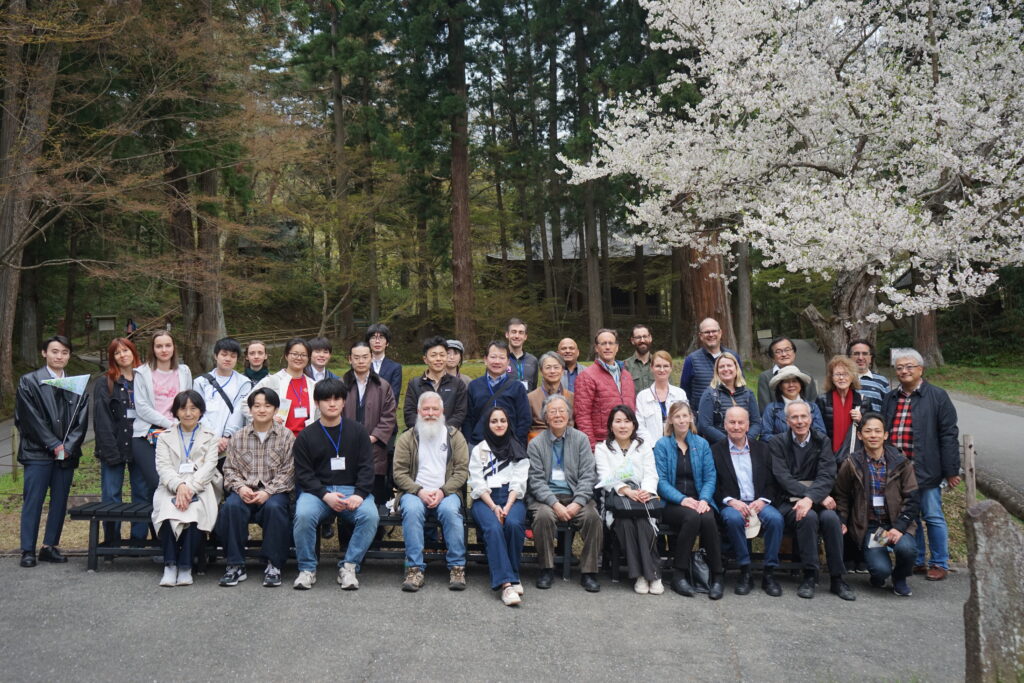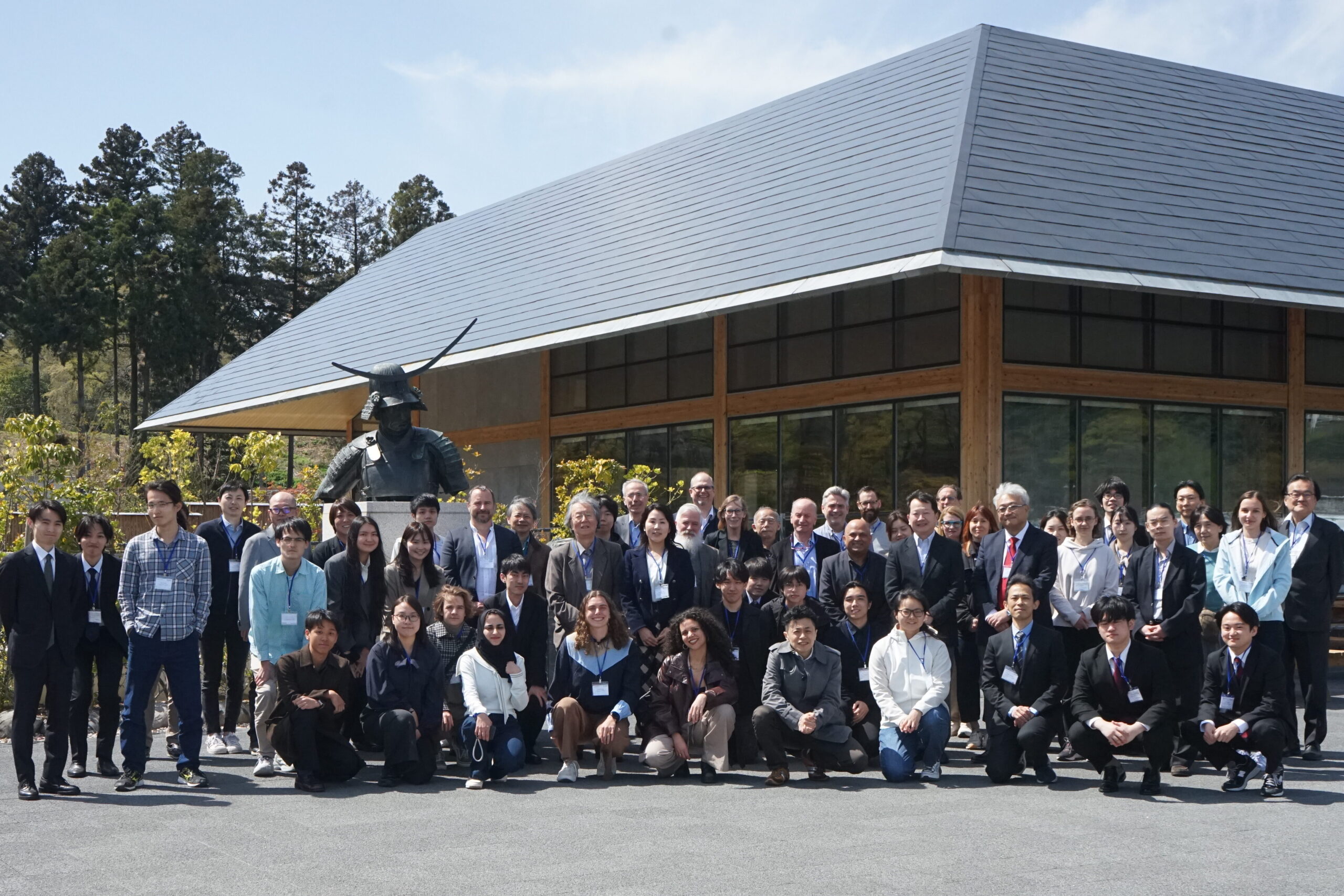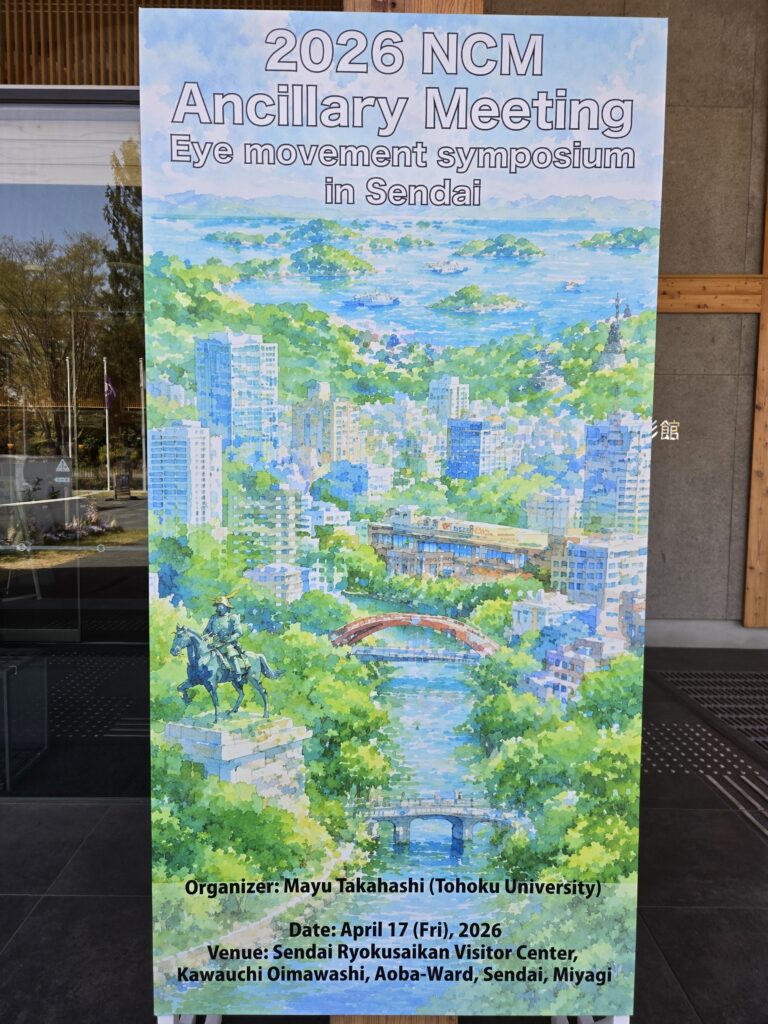
Our lab participated in an outstanding eye movement symposium in Sendai, Japan. The symposium was an ancillary event of the main Neural Control of Movement Society Annual Conference, which took place in Kobe, Japan the following week. The Sendai symposium was a meeting of the “who’s who” of oculomotor science, and it included an intense 1-day aggregation of scientific talks and posters. It was a great pleasure and honor for our lab to be part of this event, and we thank the organizers for it!
Our lab participated in this special symposium with a plenary talk given by Ziad, as well as five additional posters by the lab members. Ekaterina also had a short talk in the same event about our exciting stimulus-evoked pupil response observations!
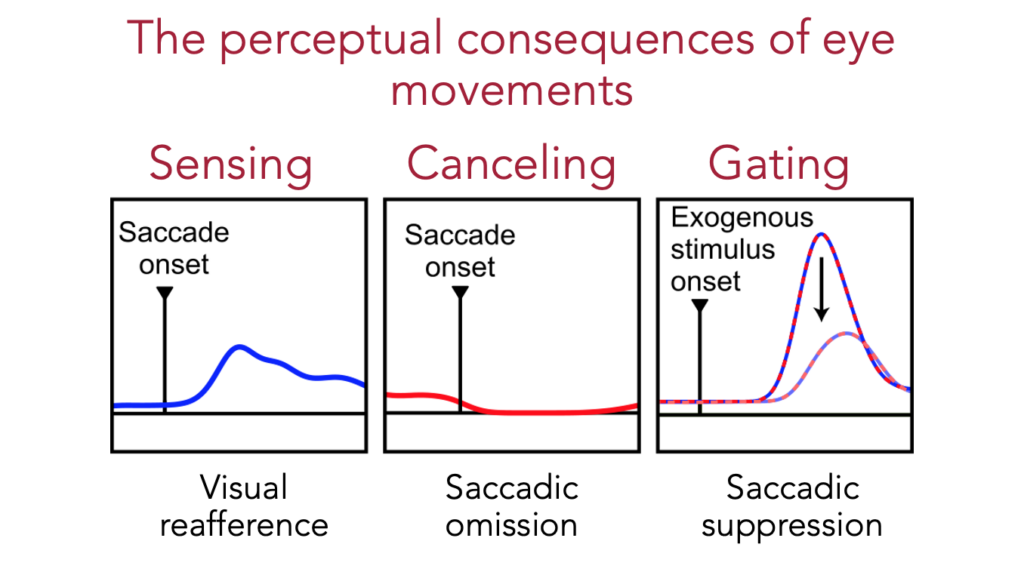
The talk by Ziad involved our studies on the perceptual consequences of rapid eye movements (saccades). In particular, we attempted to dissect the neural mechanisms of classic perceptual observations in human vision around the time of saccades. We did so by exploring two related brain areas, the primary visual cortex (V1) and the superior colliculus (SC), and we investigated aspects like sensing, canceling of spurious retinal motions caused by eyeball rotations, and gating of exogenous stimuli occurring around the time of saccadic eye movement generation. We believe that our results ground more than 30 years of perceptual work on peri-saccadic perception into plausible neural mechanisms, and they also explain which brain areas are more linked to perceptual experience than others. Remarkably, we consistently find that SC effects are much more in line with perception than V1 effects, which raises important questions about the links between V1 and conscious perception (an old idea that lingers until now). As always, we think that there is more nuance to this idea than might be appreciated, and our aim is to keep investigating it further. Our work in Ziad’s talk is also interesting for us because it can touch on broader topics that we mentioned in our recent perspective piece across multiple species and multiple sensory modalities: here.
In terms of posters at this symposium, we had a wide range of topics, going all the way from oculomotor control processes in the brainstem to pupil diameter modulations. These posters represent exciting new results that will hopefully be published by our lab soon.
Tour of the Sendai region
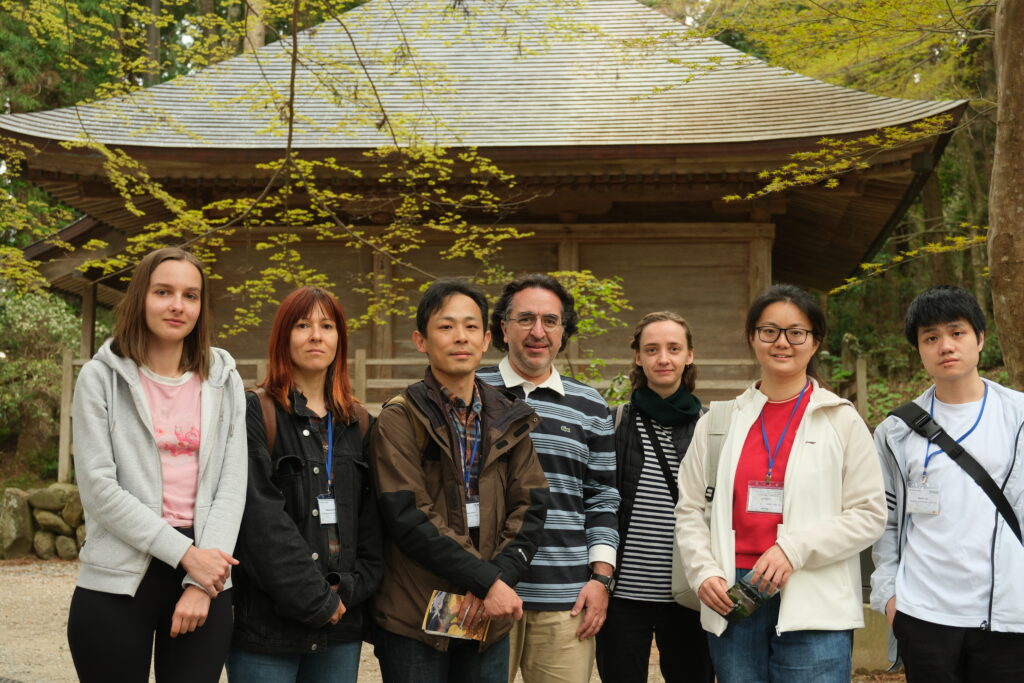
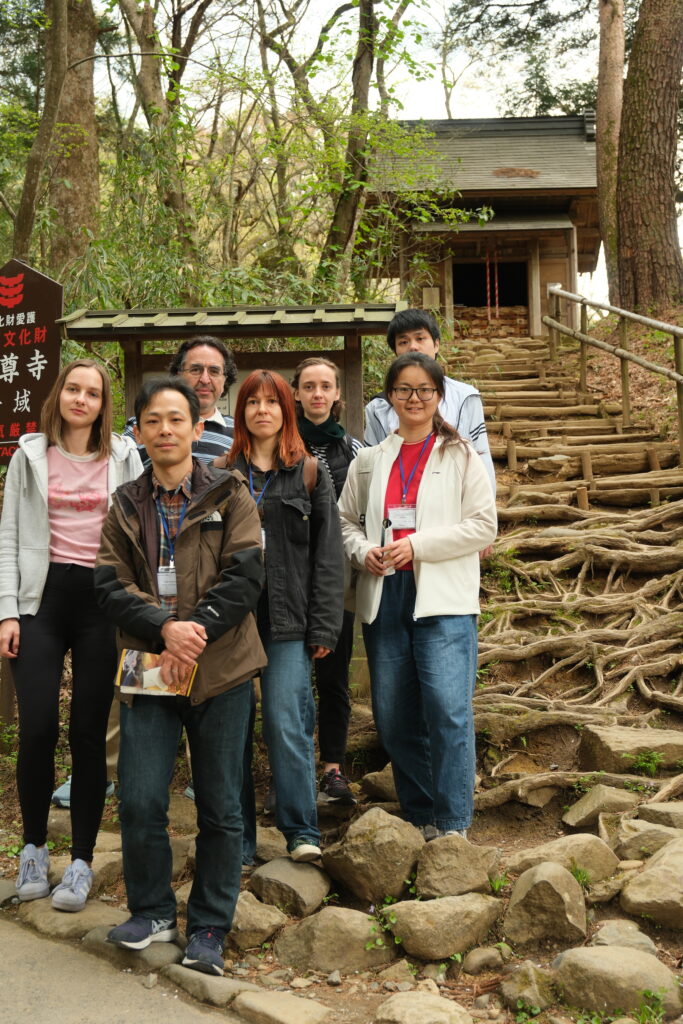
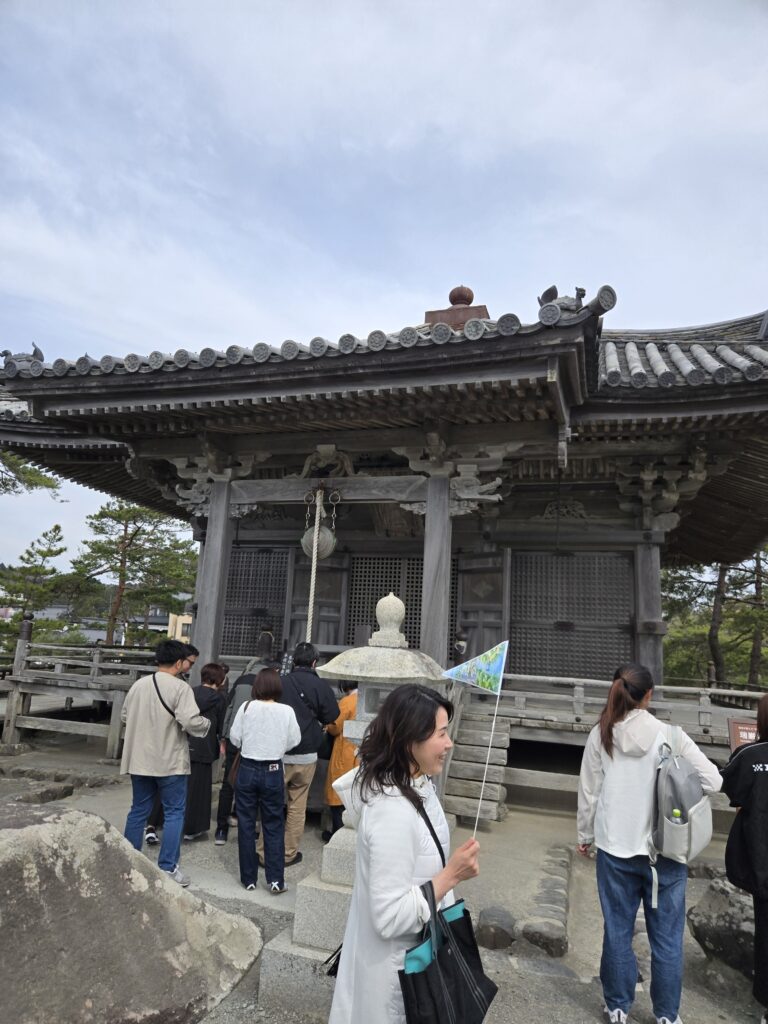
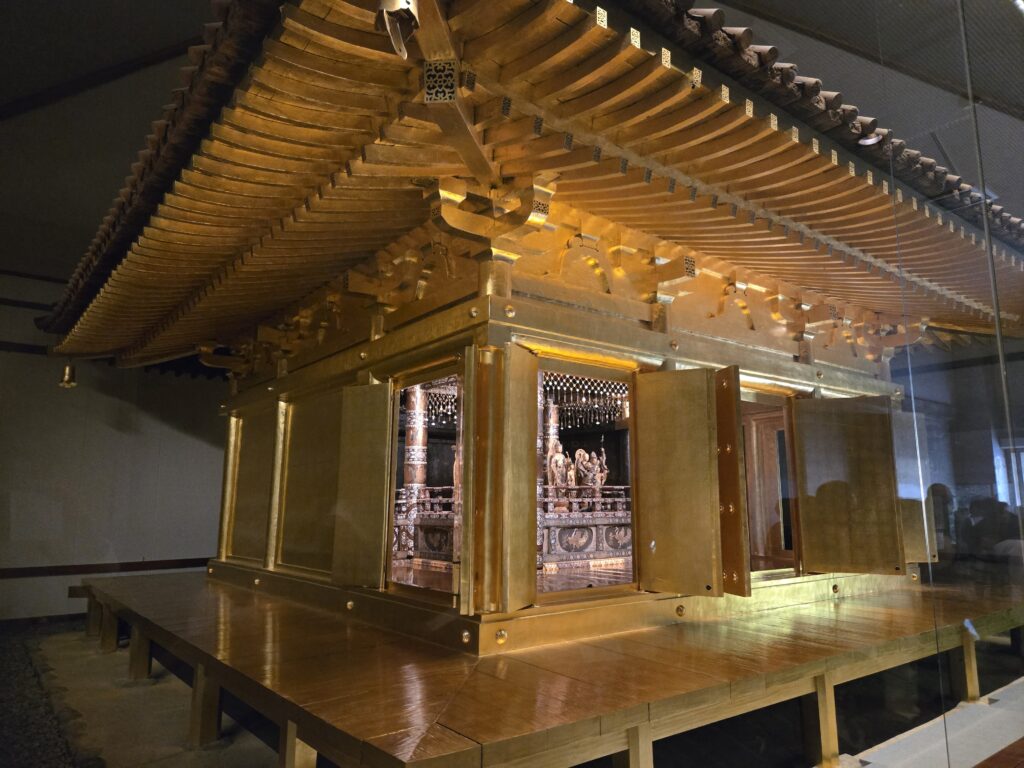
As part of the ancillary event, the hosts were kind enough to give us an amazing tour of the Sendai region. This was a great opportunity to network and discuss future science directions, especially for the students.

Reunion with Chen!
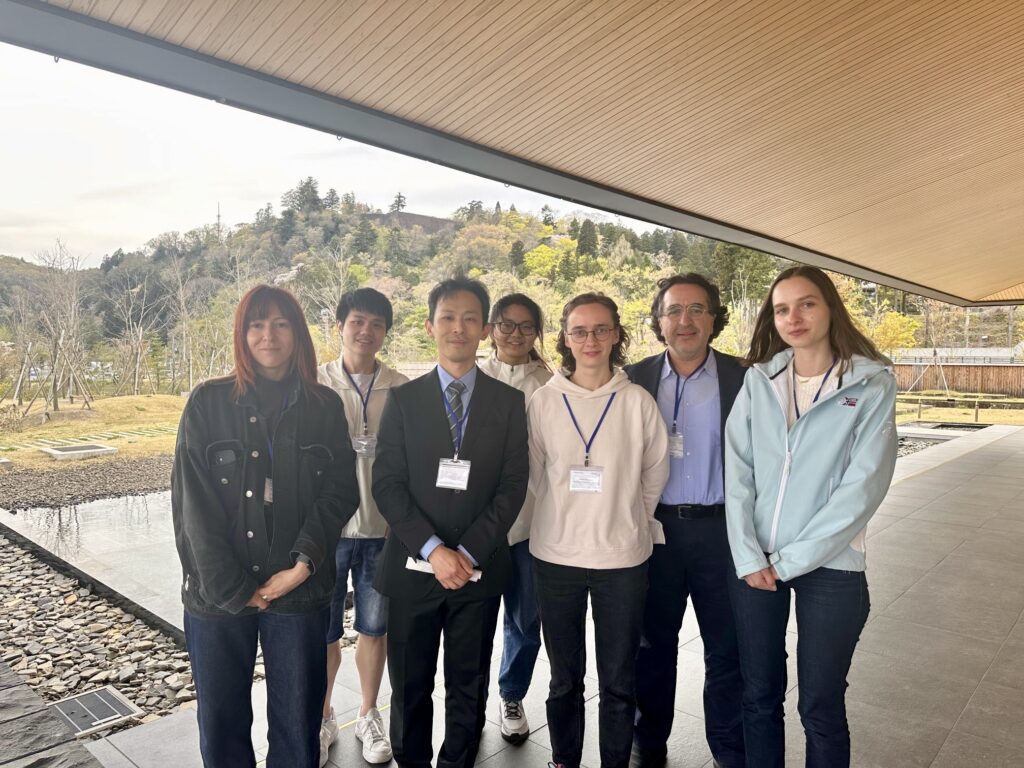
One final, but important, highlight of the visit to the ancillary event was that we had a reunion with Chih-Yang Chen, who was the first PhD graduate of our lab since its inception, and who is now a Junior Associate Professor at Tohoku University. This was a great opportunity to catch-up with Chen, and it was also an opportunity for the youngest lab members to meet him and hear about his time in the lab. We commemorated this reunion with some group pictures. We look forward to more reunions with Chen as well as all other past lab members.