Our lab participated in this year’s Society for Neuroscience (SFN) annual meeting.
We had three posters at this meeting.
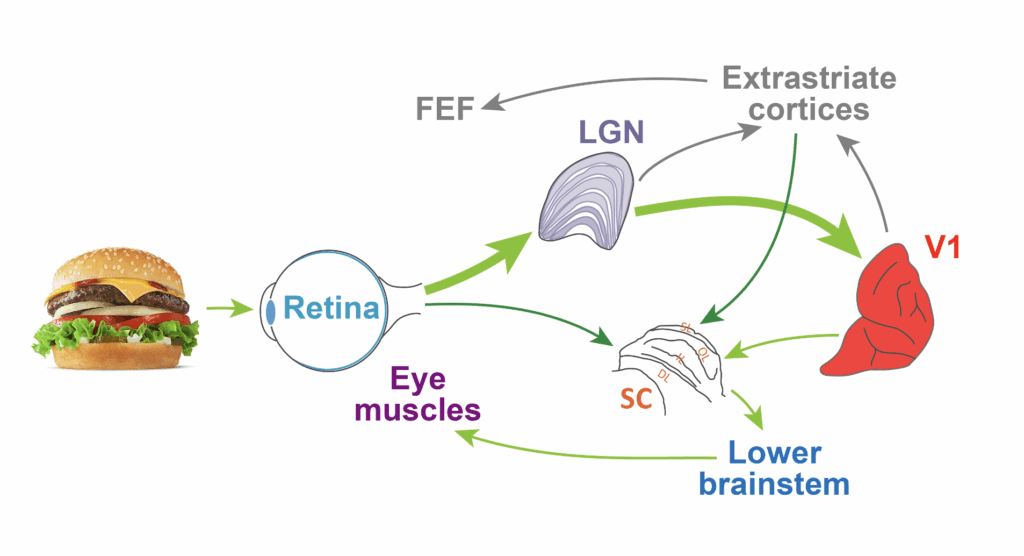
In the first, Tanya continued our investigations of the roles of different visual-motor pathways mediating reflexive, visually-guided behaviors. At this meeting, we characterized the activity of superior colliculus and inferior colliculus neurons during inactivation of the primary visual cortex, with some very exciting results, especially about the inferior colliculus.
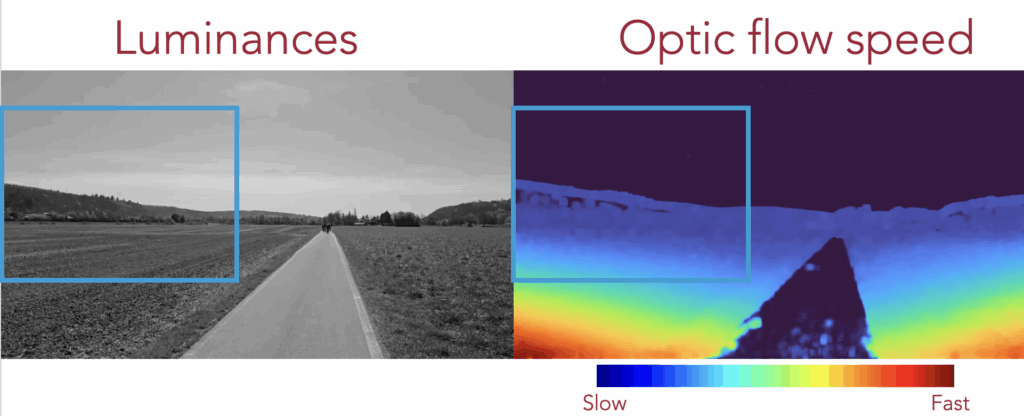
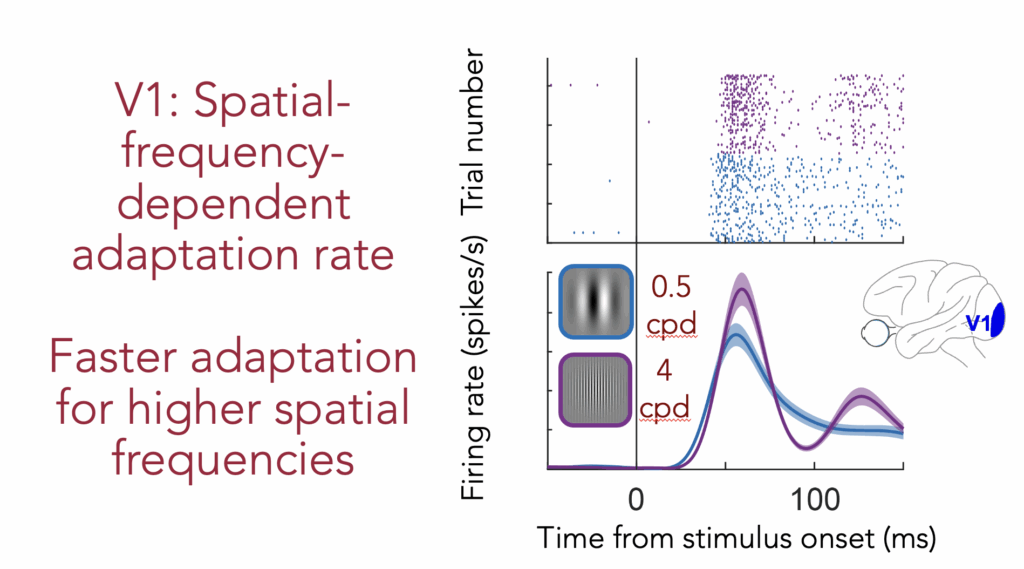
In the second poster, Yue studied the temporal filter properties of visually-responsive neurons in the superior colliculus and primary visual cortex. She found that neurons in the primary visual cortex have temporal filters that adapt to the stimulus being observed, and that this might reflect the temporal dynamics of natural movies impinging on the retina. For example, she found that the neurons in the primary visual cortex have faster temporal filters for high spatial frequencies, but slower temporal filters for dark stimuli.
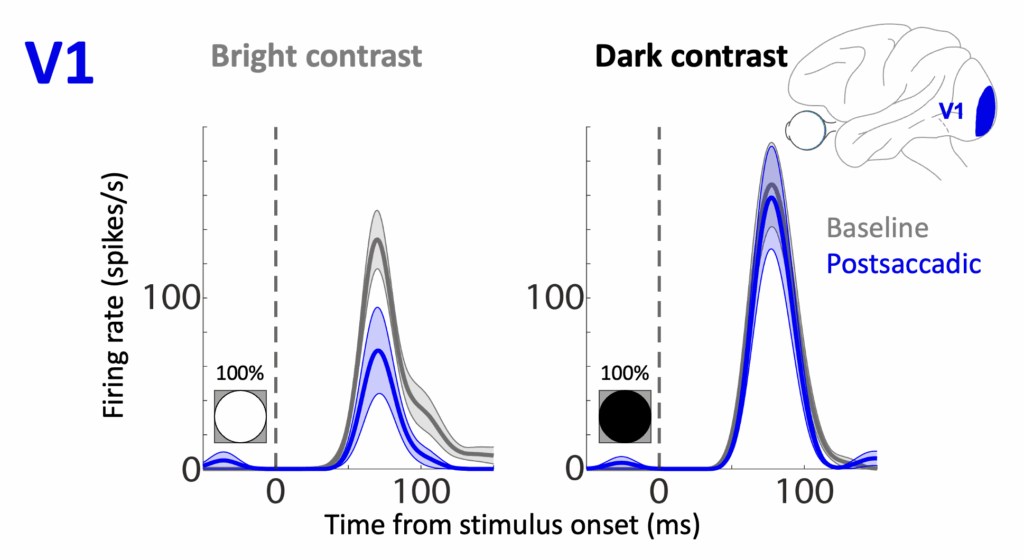
In the final poster, Wenbin described some very surprising observations about saccadic suppression in the primary visual cortex. When he presented either bright or dark stimuli over a gray background at different times relative to saccades, he found that in the primary visual cortex, but not the superior colliculus, dark stimuli did not experience saccadic suppression. This is a highly surprising finding, and we are now trying to investigate its implications for other aspects of active vision, both cortically and subcortically!
Overall, one very interesting aspect of this year’s meeting was the plethora of work on human neuroscience, from the perspective of direct neuronal recordings from within the human brain. There were several presidential and special lectures on this topic, and it reflected the advances in neurotechnology that are continuously emerging for allowing us to understand the brain in its full complexity.